






Oltre il monopolio. Che effetti ha avuto la liberalizzazione sullo sviluppo delle reti fisse di comunicazione elettronica?

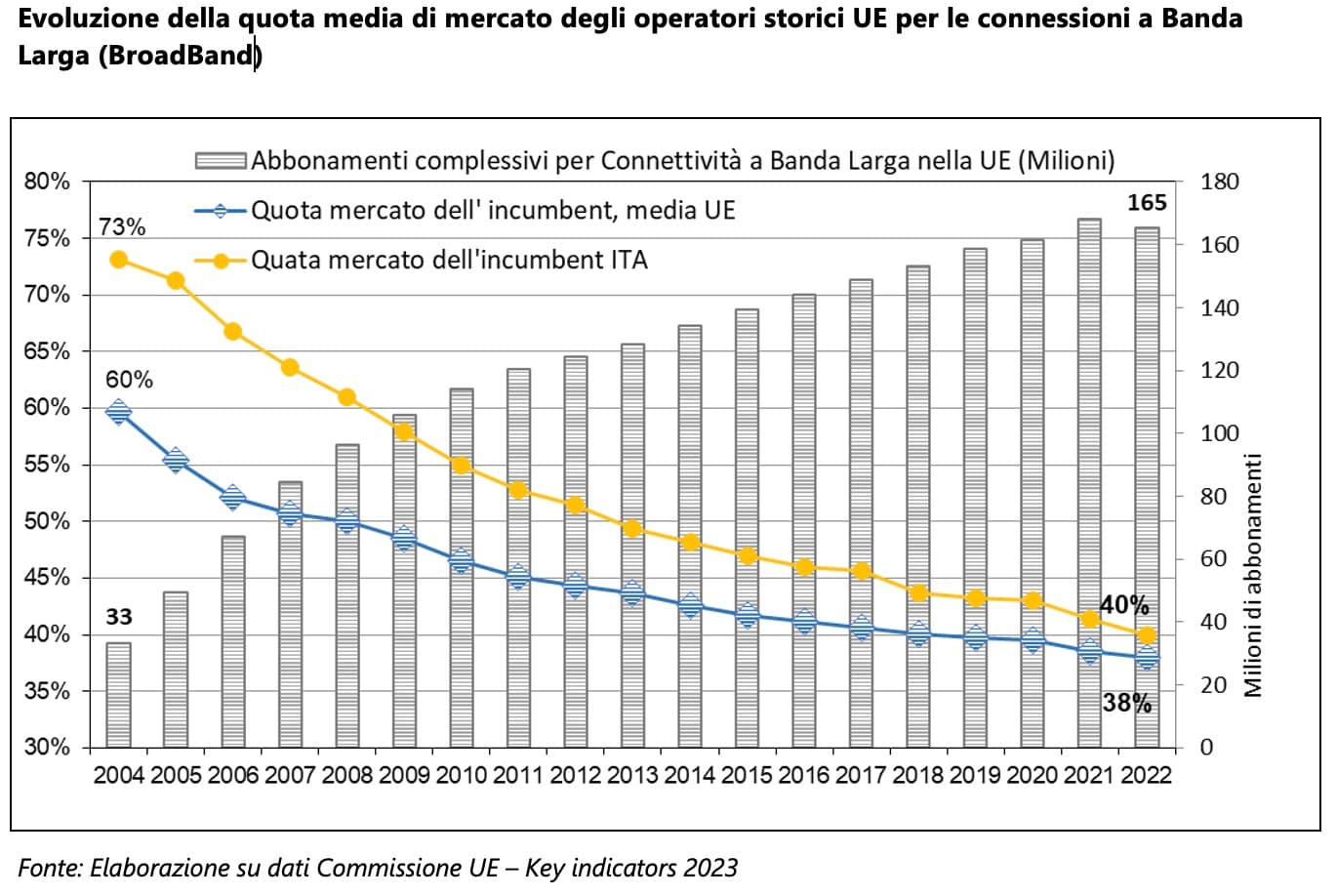
Nel 1996 l'Unione europea ha liberalizzato l'industria delle telecomunicazioni, raggiungendo il servizio principale del settore: il mercato della telefonia fissa. Una nuova generazione di operatori ha così fatto la sua comparsa, grazie anche a una politica di forte incentivazione degli investimenti. Una nuova generazione di operatori ha così fatto la sua comparsa sul mercato. E la concorrenza ha fatto bene ai consumatori, che hanno potuto godere, in questi anni, di un progressivo abbassamento delle tariffe: circa il 20% di media, con un record del 45% in Italia.
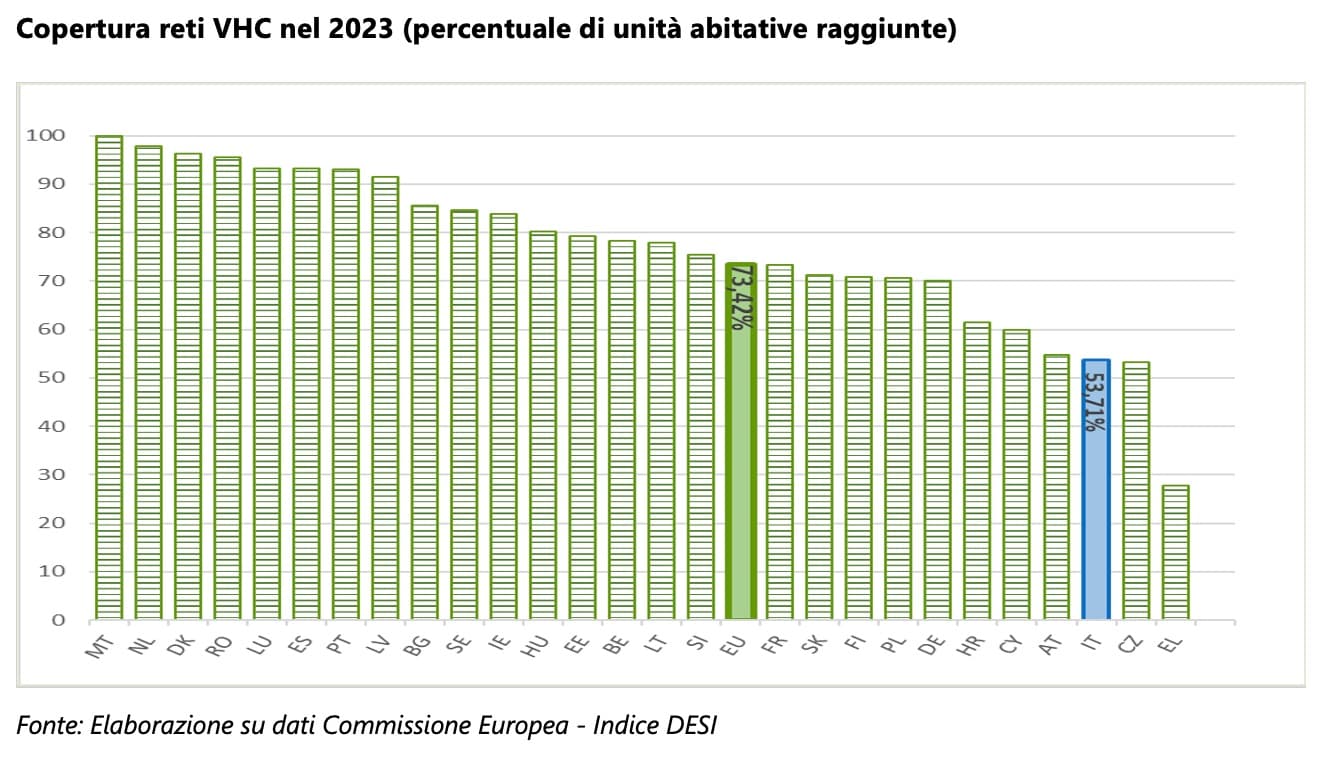
Grazie anche a una politica di forte incentivazione regolatoria degli investimenti, le reti fisse nell'UE sono oggi, secondo l'OCSE, generalmente di buona qualità.
L'intensa concorrenza di prezzo sembra però limitare la capacità di investimento, mentre lo sviluppo di reti fisse e wireless sempre più avanzate richiede la disponibilità di ingenti risorse. Gli Stati membri dell'Unione, per stimolare l'introduzione della banda ultra-larga anche nelle zone a fallimento di mercato, hanno varato piani di massicci aiuti pubblici (solo l'Italia, dal 2015 a oggi, ha impegnato circa 5,3 miliardi di euro). Ma, secondo le analisi più recenti, il mercato europeo richiede anche di superare l'attuale frammentazione degli operatori.
Beyond the monopoly. What effect has liberalisation had on the development of fixed electronic communications network?
In 1996, the European Union completely liberalised the telecommunications industry and reached the sector's main service: the fixed telephony market. A new generation of operators thus made its appearance, thanks also to a policy of strong investment incentives. And competition has been good for consumers, who have been able to enjoy a gradual lowering of prices in recent years: around 20% on average, with a record 45% in Italy.
Thanks also to a policy of strong regulatory incentives for investment, fixed networks in the EU are now generally of good quality, according to the OECD.
Intense price competition, however, seems to limit investment capacity, while the development of increasingly advanced fixed and wireless networks requires the availability of substantial resources. The EU Member States, in order to stimulate the roll-out of ultra-wideband even in areas of market failure, have launched massive public aid plans (Italy alone has committed around EUR 5.3 billion since 2015). But, according to the most recent analyses, the European market also requires overcoming the current fragmentation of operators.